TPCI hosts inaugural India IP Advantage Summit 2026
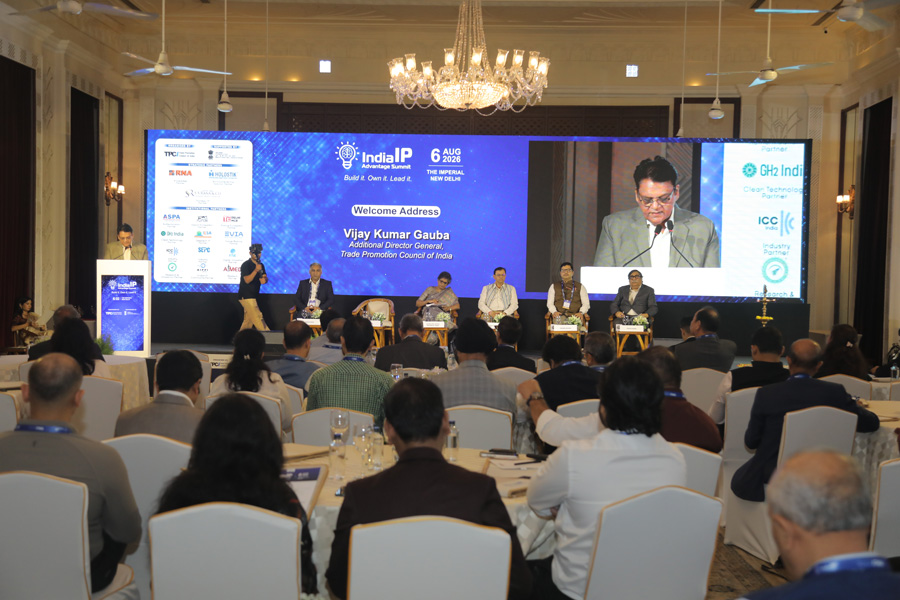
Trade Promotion Council of India hosted the inaugural India IP Advantage Summit 2026 under the theme, “Build it. Own it. Lead it.” The Summit brought together over 300 delegates and more than 45 speakers from government, industry, startups, academia, research institutions, investment firms and the intellectual property fraternity. Its central focus was on how India can convert its growing momentum in patents, trademarks, technology and innovation into commercial advantage, export competitiveness and global leadership. Discussions spanned pharmaceuticals, artificial intelligence, software, deeptech, manufacturing, consumer brands, creative industries, IP commercialisation and anti-counterfeiting, positioning intellectual property not merely as a legal right but as a strategic business asset.

India’s intellectual property ecosystem stands at a significant inflexion point. Patent applications filed with the Indian Patent Office increased from 58,503 in FY 2020–21 to 1,43,729 in FY 2025–26, representing growth of nearly 146% over five years. While this expansion reflects India’s growing innovation capabilities, the larger challenge lies in converting these filings into commercially valuable, globally recognised and Indian-owned intellectual property.
The India IP Advantage Summit 2026 was conceived by TPCI to address this critical gap between IP creation and IP-led competitiveness. Held at The Imperial, New Delhi, the Summit explored how patents, trademarks, designs, algorithms, data, trade secrets and creative works can help Indian enterprises build stronger brands, access international markets, attract investment and capture a larger share of value across global supply chains.
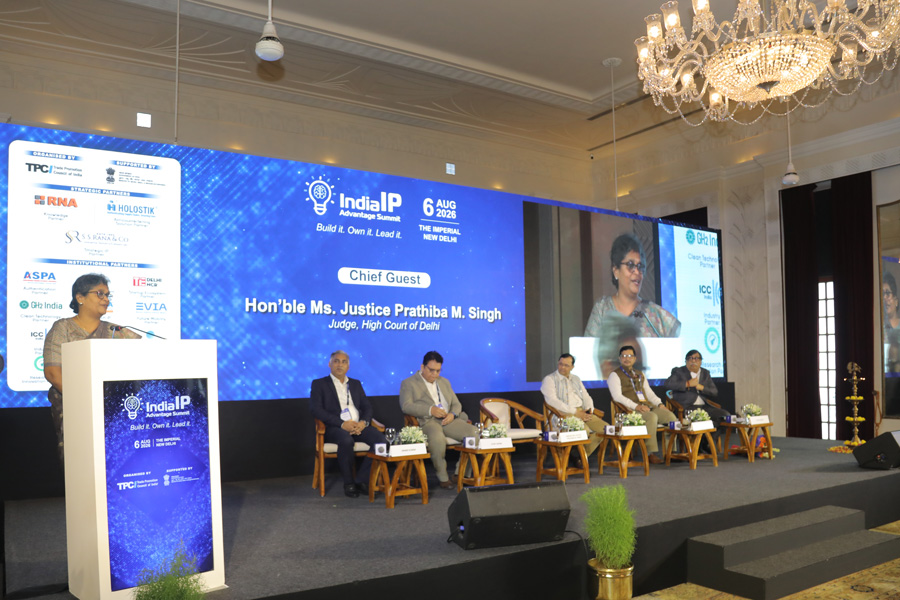
Hon’ble Ms Justice Prathiba M. Singh, Judge, High Court of Delhi, graced the Summit as Chief Guest. In her keynote address, she observed, “India should no longer remain a backroom office, but a proud label of branded manufacturing.” She highlighted the paradigm shift taking place in India’s IP policy and judicial remedies and emphasised that India must create more IP-based products while addressing the barriers that impede ownership and commercialisation.
Prof Unnat Pandit, Controller General of Patents, Designs and Trade Marks, Government of India, joined the Summit as Guest of Honour and highlighted the measures being undertaken to streamline and strengthen the country’s IP application and administration processes.
Shri Vinamra Mishra, Joint Secretary, Ministry of Micro, Small and Medium Enterprises, Government of India, emphasised the important role of MSMEs in translating innovation into commercially viable products. He observed that MSMEs are central to India’s growth and that greater attention must be given to downstream commercialisation, technology transfer and branding.
Shri Anand Kumar, Managing Director, STMicroelectronics, and Shri Pravin Anand, Managing Partner, Anand & Anand, also addressed the gathering, bringing industry and legal perspectives to the discussion on building an ownership-driven innovation economy.
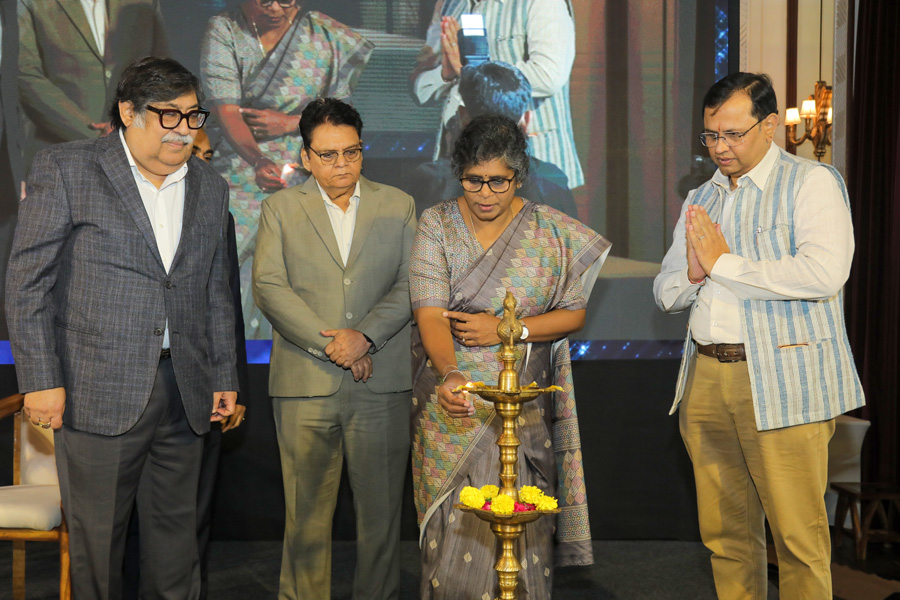
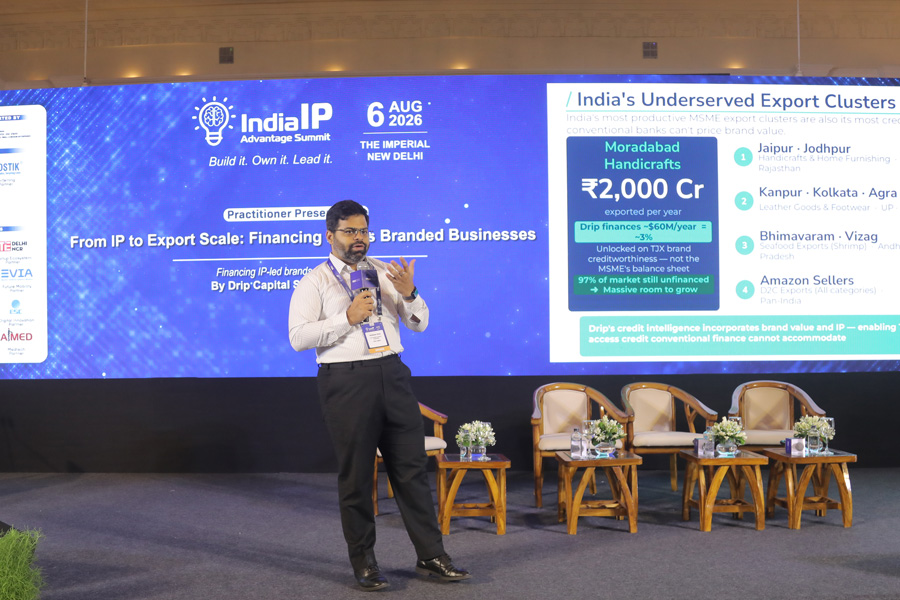
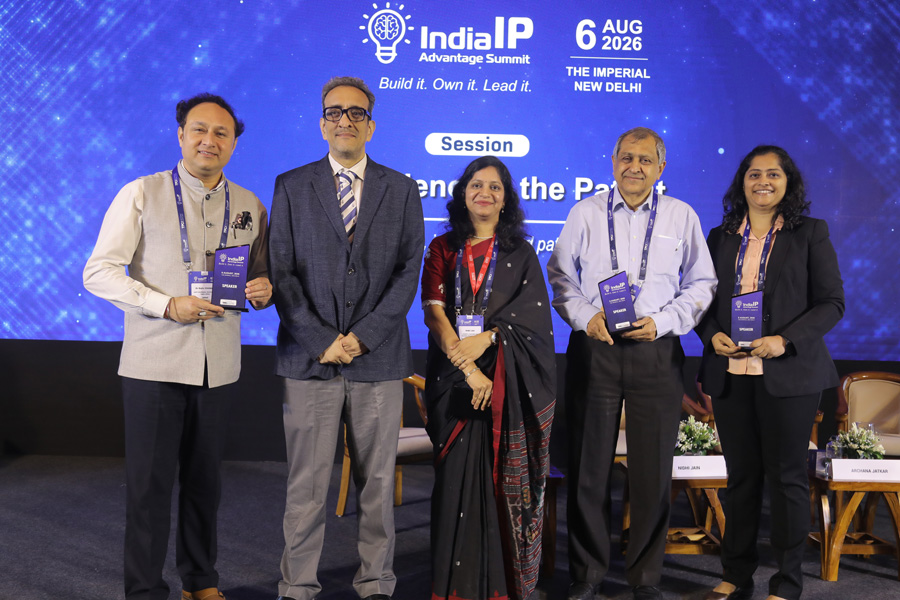
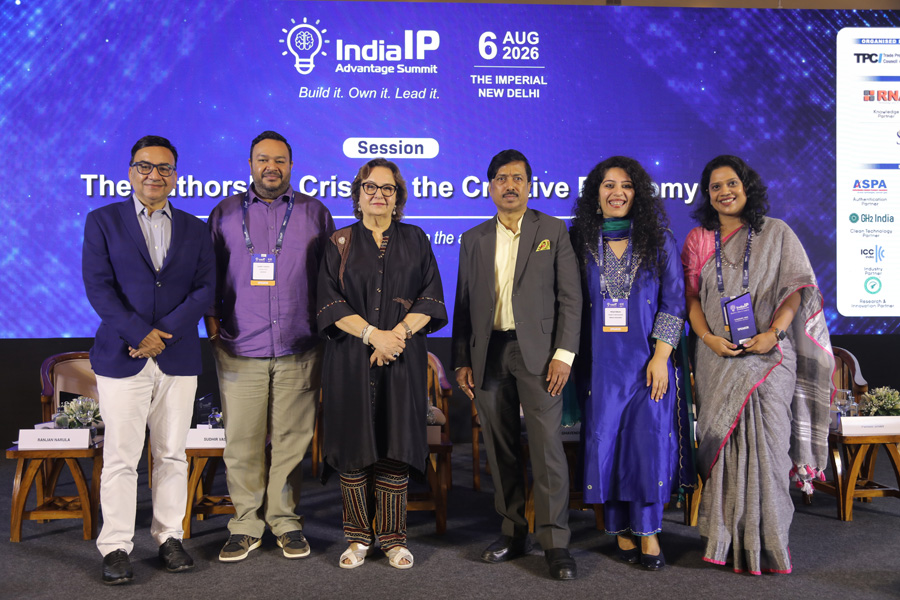

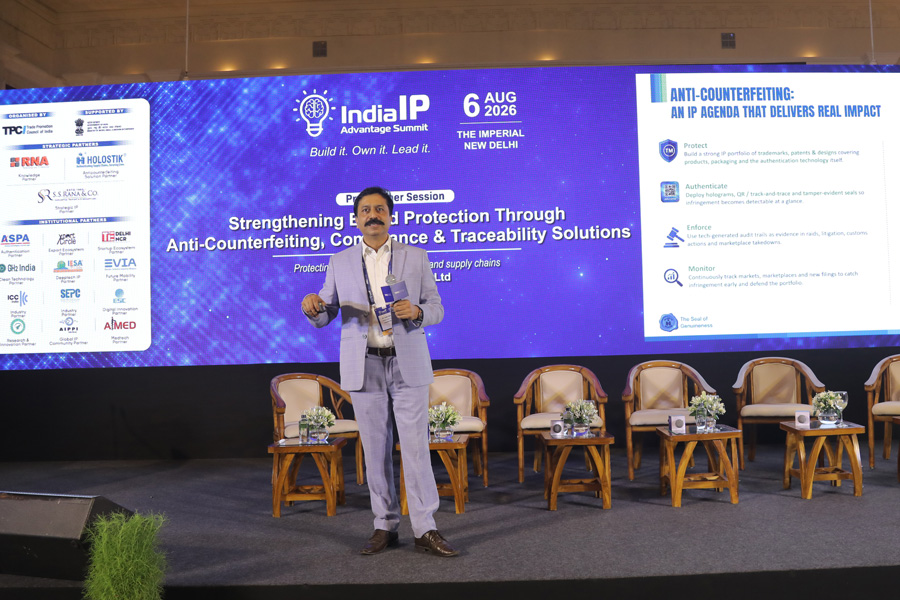
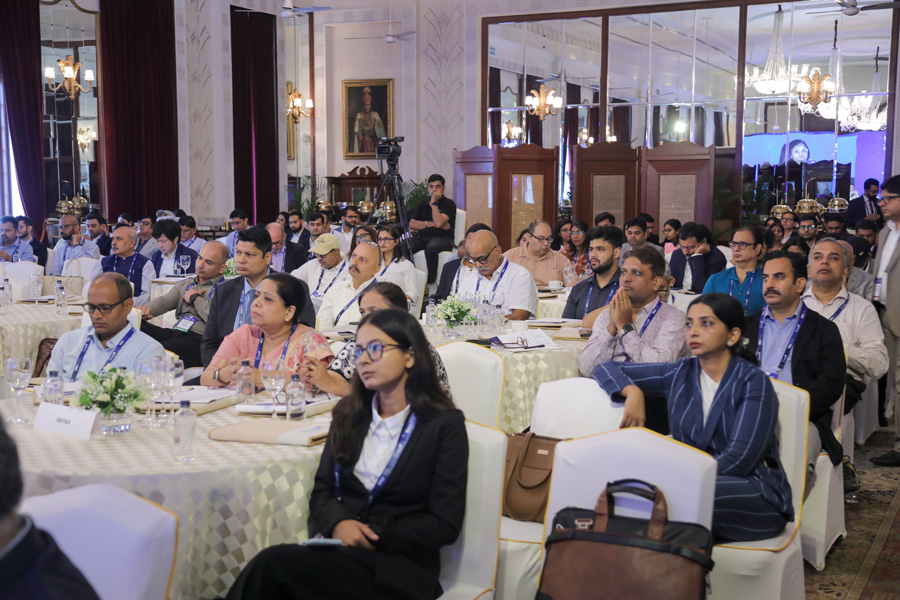
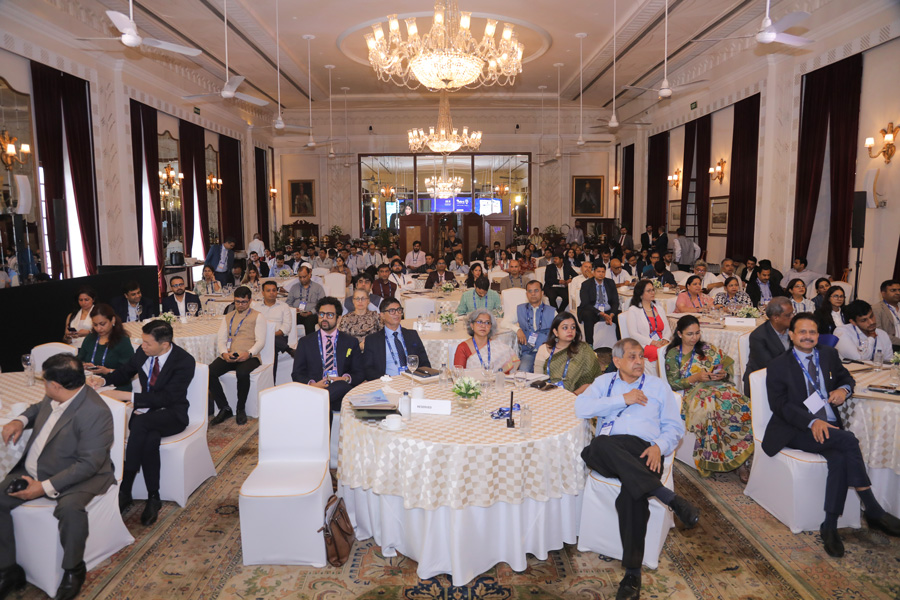
The Summit was guided by its Chief Mentor, Dr R. A. Mashelkar, FRS, who called upon India to move beyond its established strengths in manufacturing and services and become a genuinely knowledge and IP-led economy. He emphasised that patents, brands, designs, algorithms, data and trade secrets are no longer merely legal instruments; they are strategic assets that determine who captures value in the global economy.
Speaking at the Summit, Shri Mohit Singla, Chairman, TPCI, said, “India’s IPR ecosystem stands at a critical inflexion point. While patent filings and IP registrations have grown steadily, challenges persist in commercialisation, enforcement and global recognition. Building a robust pipeline of Indian-owned patents and trademarks across AI, semiconductors, pharmaceuticals, consumer brands and creative industries will be pivotal to securing India’s place in the global knowledge economy.”
The programme examined intellectual property across the complete business lifecycle—from creation and protection to valuation, licensing, market access, commercialisation and enforcement. The plenary session, “From Make in India to Own the World”, discussed how Indian enterprises can move beyond contract manufacturing and service delivery to create and retain ownership of globally competitive technologies, products and brands.
“From Ownership to Income” explored the commercial potential of IP through a fireside conversation featuring Prof Sanjay Bakshi, Managing Partner, ValueQuest Capital LLP, and Safir Anand, Senior Partner, Anand & Anand. The discussion examined how businesses can approach IP valuation, licensing, investment and monetisation more strategically.
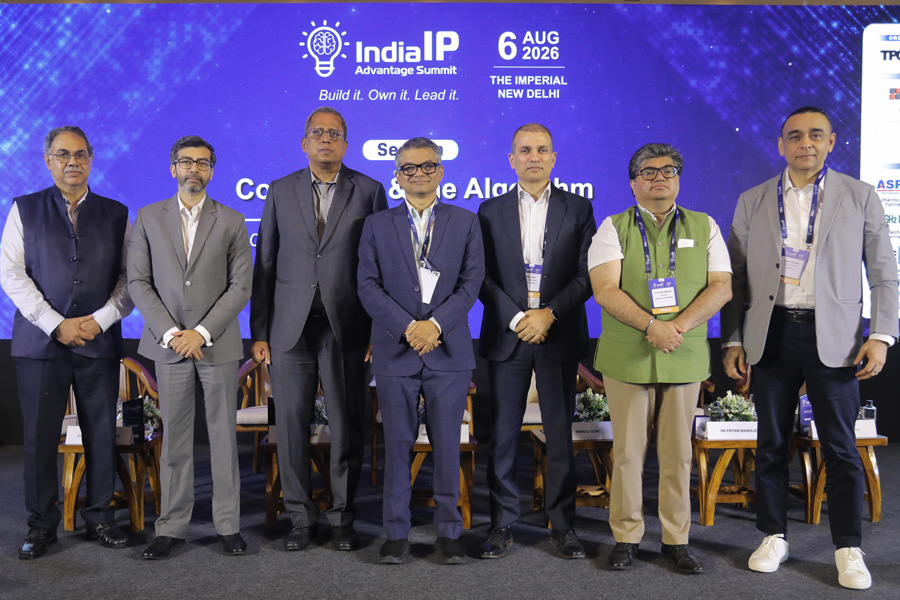
Sector-focused sessions included “Life, Science & the Patent”, which addressed innovation, access and commercial viability across pharmaceuticals, biotechnology and medical devices, and “Code, Data & the Algorithm”, which examined ownership and protection in software, data-driven enterprises and digital technologies.
The Summit also placed significant emphasis on emerging questions around artificial intelligence and creativity. During the discussions, Dr G. R. Raghavendra, Senior Consultant–IPR, DPIIT, distinguished between AI-assisted work involving originality and meaningful human contribution and content produced entirely by artificial intelligence. The session brought together legal, policy, technology, creative and academic perspectives on authorship, copyright and accountability in the age of generative AI.
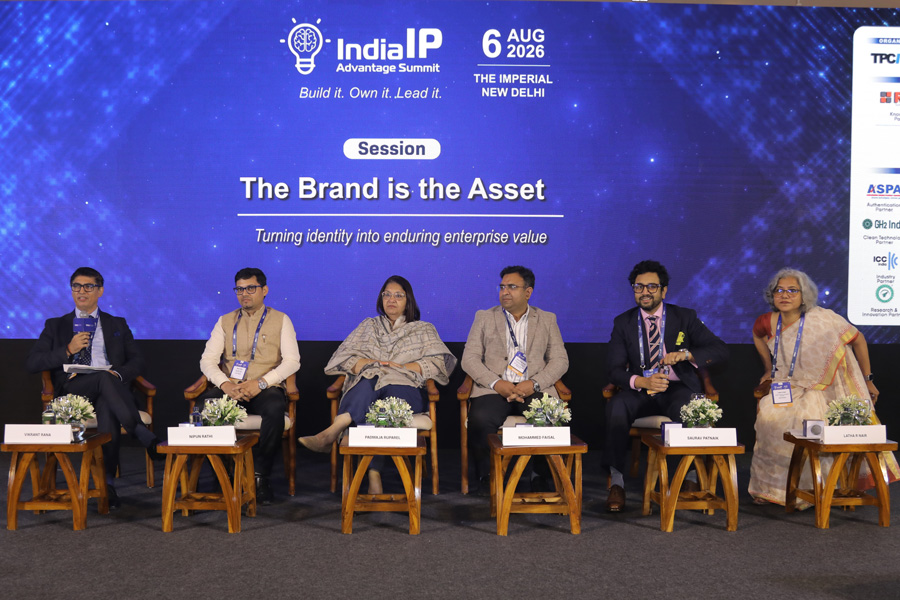
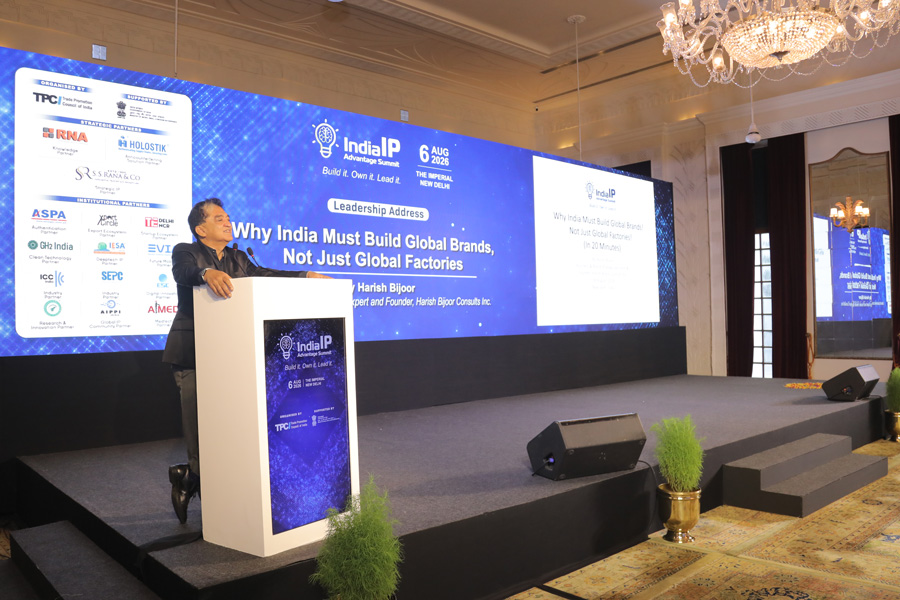
“The Brand Is the Asset” positioned trademarks, consumer trust and brand identity as fundamental components of enterprise value and international expansion. Brand and business strategy expert Harish Bijoor further reinforced this message through a special address on why India must build global brands, not merely global factories, and move from being the back office to the corner office of the world.
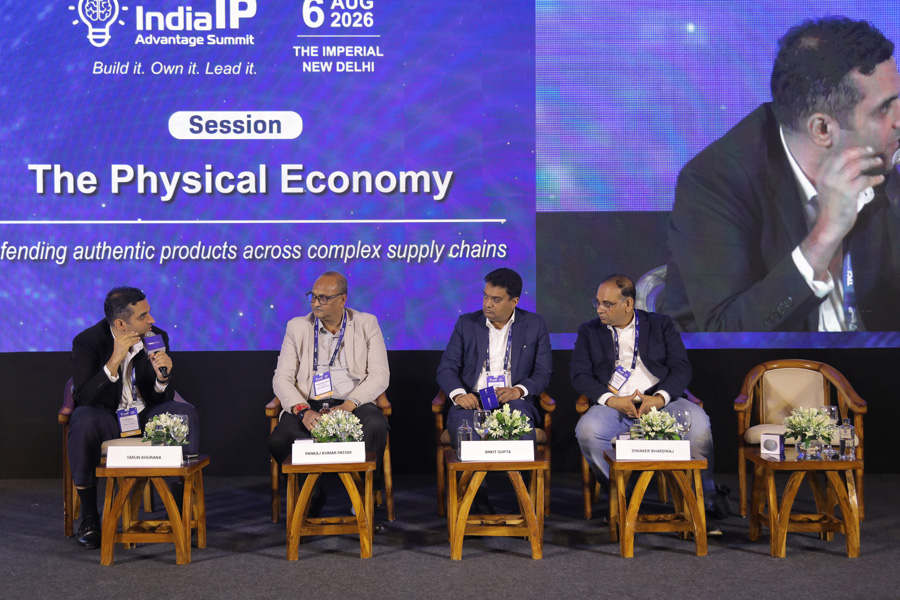
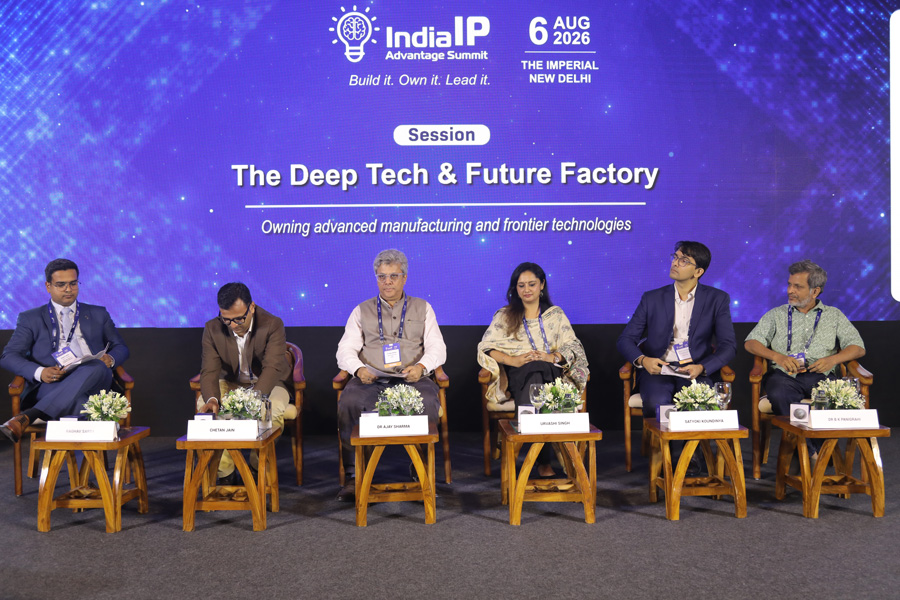
Other sessions examined intellectual property in deeptech, semiconductors, telecom, advanced manufacturing, electronics, clean technologies and the physical economy. Discussions also highlighted the growing business risks associated with counterfeiting and the importance of product authentication, supply-chain protection and effective enforcement.
The Summit featured a diverse speaker faculty, including K Subodh Kumar, Pankaj Soni, Dr Pritam Banerjee, Vinayak Godse, Dr Pavan Duggal, Karnika Seth, Rakesh Chandra Sinha, Archana Jatkar, Dr Suchita Markan, Dr Rajiv Chhibber, Ranjan Narula, Mitali Nikore, Dr Rajat Kathuria, Dr Smita Sirohi, Ramesh Shanmukham, Vikrant Rana, Dr Shashank Sinha, Saurav Patnaik, Mohammad Faisal, Latha R. Nair, Padmaja Ruparel, Satyoki Koundinya, Urvashi Singh, Prof B. K. Panigrahi, Raghav Sarda, Dr Ajay Sharma, Chetan Jain, Ankit Gupta, Tarun Khurana and Diwaker Bhardwaj, among others.
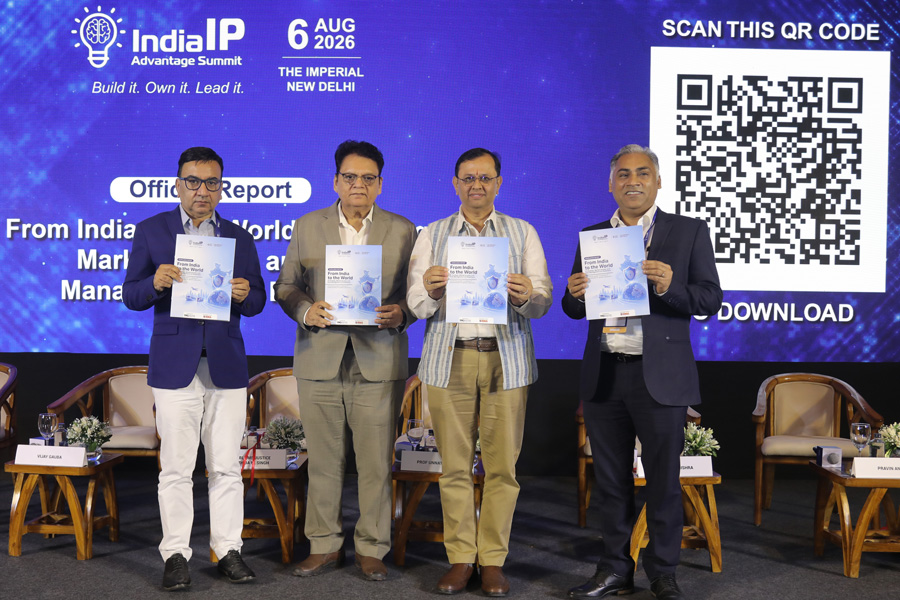
TPCI, in association with RNA Technology and IP Attorneys, also released the Summit’s official knowledge report, “From India to the World: IP Strategy, Market Access and Risk Management for Exporters”. The report provides business leaders with a practical framework for assessing export-related IP risks, understanding international protection mechanisms, strengthening contractual safeguards and developing an IP strategy aligned with global expansion.
The Summit reinforced a fundamental message: filing more patents and trademarks is only the beginning. India’s larger opportunity lies in creating commercially relevant intellectual property, retaining its ownership and using it to generate revenue, investment, partnerships and global influence. Through the India IP Advantage Summit, TPCI seeks to advance a sustained dialogue on enabling India to not only build for the world, but also to own, brand and lead globally.
